Megan Joe
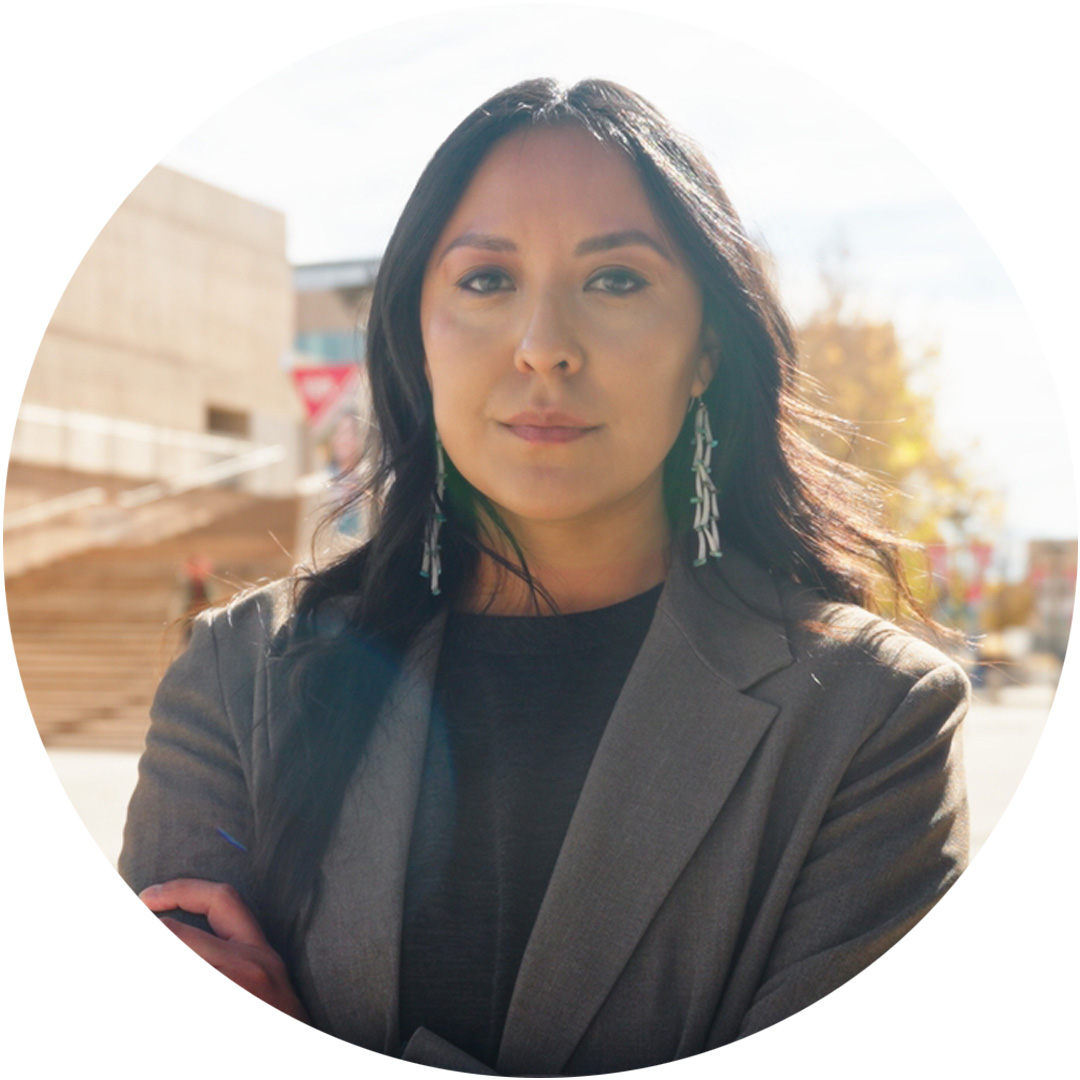
Megan Joe
Megan Joe
Megan Joe is a graduate student in Community & Regional Planning whose work centers on accountability, relationship-building, and community-engaged research rooted in Indigenous methodologies. Originally from the Mexican Springs area near Gallup, Megan has deep roots in both her home community and Albuquerque, where family, community, and responsibility have shaped her academic and professional path.
Megan Joe is a graduate student in Community & Regional Planning whose work centers on accountability, relationship-building, and community-engaged research rooted in Indigenous methodologies. Originally from the Mexican Springs area near Gallup, Megan has deep roots in both her home community and Albuquerque, where family, community, and responsibility have shaped her academic and professional path.
Before entering the MCRP program, Megan worked with the UNM Community Engagement Center, where she supported service-learning opportunities and connected students with community-based organizations across Albuquerque. Through this work, she gained hands-on experience engaging with community leaders and organizers addressing issues such as climate change, immigration rights, and tribal sovereignty. These experiences played a critical role in shaping her commitment to community-engaged planning and social justice–focused research.
As a Diné woman, Megan approaches planning and research with a strong sense of accountability to community. She emphasizes the importance of showing up consistently, listening deeply, and building trust over time. Her graduate work reflects this commitment, particularly through her involvement in watershed and land use planning projects with communities in Torreón and Mexican Springs. Returning to these spaces in a professional role challenged her to step into community with vulnerability, humility, and long-term responsibility rather than as a one-time visitor.
Megan’s research is grounded in Indigenous research frameworks and community-based participatory research principles, prioritizing community-identified goals, local knowledge, and relational accountability. Through collaboration with faculty mentors and community partners, she has worked to support planning efforts that respect tribal sovereignty, data ethics, and self-determination.
At UNM, Megan credits her professors, mentors, and community partners for modeling what meaningful engagement looks like in practice. She hopes to continue working alongside communities in the Southwest, contributing research and planning work that supports sustainability, wellbeing, and community-defined futures.